
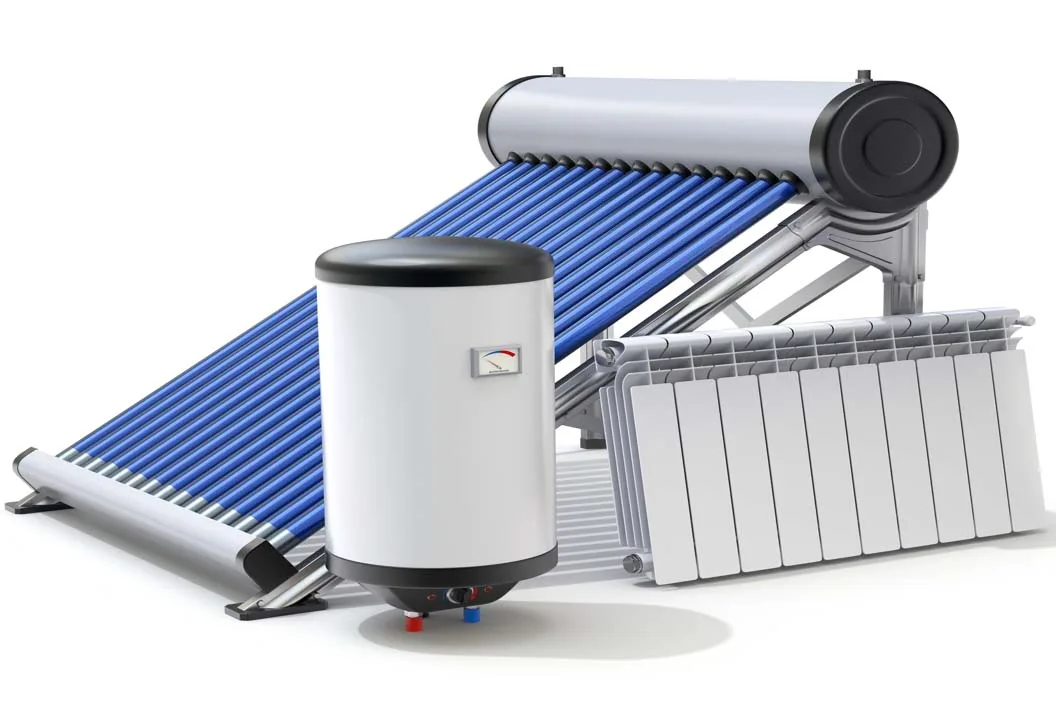
In many homes and small commercial spaces, the decision to consider a solar geyser does not come from interest in technology. It comes from repeated inconvenience. Hot water often runs out sooner than expected. Winter performance can drop sharply. Electricity bills rise without a clear reason. Existing systems start to feel unreliable. In some cases, users already have a solar unit installed. Yet the results are inconsistent. This creates doubt about whether solar geysers work at all.
These situations usually have less to do with solar technology itself. The main issue is model selection. Different buildings, water pressure conditions, roof structures, and usage patterns demand different types of systems. Treating all solar geysers as interchangeable often leads to dissatisfaction after installation.
Today, our team will explain the different solar geyser water heater models. We will discuss how each model performs in real-world conditions. By the end, readers should have a clear understanding of which models fit their specific needs.
Why Model Selection Matters?
A solar geyser water heater is not a plug-and-play appliance. If the model does not match your site conditions, problems appear slowly. Water flow can be too slow. Temperature may fluctuate. The tank might not have enough capacity during peak hours. Many users rely on backup heating more than expected. These issues usually show up after installation. Fixing them can be expensive or difficult. Choosing the right model early prevents these problems. It ensures the system works as water is actually used, not just as you hope it will.
How Different Solar Geyser Water Heater Models Serve Different Needs?
Solar geyser water heater are not one-size-fits-all. Different models suit different needs. Some work better in high-pressure homes. Others are ideal for apartments or small spaces. Understanding these differences helps you choose wisely.
1: Integrated Pressurized Solar Geyser Water Heater
This system works best in homes with steady water pressure. Families with multiple bathrooms often need it. Hot water flows evenly to all taps. It handles simultaneous showers without losing temperature. The tank is pressurized, so it fits existing plumbing. Installation is simple if the roof can hold the weight. Low-pressure or gravity-fed systems are not suitable. Users ignoring this often face uneven flow and cold water during peak use.
2: Pre-Heated Solar Geyser Water Heater
Some households already have an electric or gas heater. They want to reduce energy, not replace the system. Pre-heated solar systems warm inlet water first. This reduces the workload on the existing heater. Morning showers use less electricity. Works best where sunlight is moderate. It cannot provide fully solar hot water. Overestimating its capacity leads to disappointment. Planning based on actual use avoids problems.
3: Compact Non-Pressure Solar Geyser Water Heater
These are ideal for apartments or small homes. Water usually comes from overhead tanks. Tanks are smaller and lighter than pressurized systems. Hot water is enough for one bathroom or kitchen. Simple to install and maintain. Not for multiple simultaneous users. Large households should choose a different system. Exceeding designed usage causes shortages.
4: Flat Panel Solar Geyser Water Heater
Flat panel systems are best for sunny regions where roof space is adequate. They perform reliably when sunlight is consistent. Maintenance is straightforward, and panels are easily accessible. Here are key points to consider:
- Requires stable sunlight for consistent performance.
- Roof angle and orientation affect efficiency.
- Backup heating may be needed in cloudy or winter-heavy months.
- Best suited for predictable climates with minimal seasonal variation.
5: Split Solar Water Heating System
| Feature | Details | Suitable For | Limitations |
| System Type | Separate collectors and storage tank | Large households, commercial spaces | Not needed for small homes |
| Capacity | 150L – 1000L | Guesthouses, offices | Overkill for low-demand properties |
| Installation | Flexible layout options | Roofs with load constraints | Requires careful planning |
| Usage | Supports simultaneous multiple outlets | High daily water consumption | Not economical for single-family small homes |
Learn More: Industrial Solar Water Heater System
Key Factors to Consider Before Choosing a Solar Geyser Water Heater Model
Choosing the right solar geyser water heater is more than picking the biggest tank. Several factors affect performance and reliability. Every home and property is different. Your water pressure, roof space, and daily usage matter. Climate and seasonal sunlight can also make a difference. Considering these factors before purchase prevents mistakes and ensures satisfaction.
Water Pressure Compatibility
Not all solar geysers work with every water system. High-pressure homes can use pressurized tanks. Low-pressure or gravity-fed setups need non-pressure systems. Matching the model to your plumbing avoids uneven water flow. It also prevents cold showers during peak use. Installing the wrong type can cause frustration and extra costs.
Roof Space and Load Capacity
Solar geyser water heater take physical space on your roof. Collectors and tanks add weight that must be supported safely. Flat panel systems need horizontal space with good sunlight exposure. Split systems allow flexible placement of the tank. Planning ahead helps avoid structural issues. Proper measurement prevents installation delays and surprises.
Daily Hot Water Demand
Estimate how much hot water your household uses. Count bathrooms, showers, and kitchen usage. Peak hours should be considered carefully. Choosing a system that matches demand avoids shortages or excessive reliance on backup heaters. Overestimating capacity wastes money. Underestimating creates inconvenience during busy times.
Climate and Sunlight Availability
Sunlight directly affects solar geyser performance. Different climates need different approaches. Here are key points to consider:
- Sunny regions allow simpler systems to work effectively.
- Cloudy or winter-heavy areas may require backup heating.
- Seasonal sunlight patterns must be factored into system choice.
System Type and Installation Requirements
Integrated, pre-heated, flat panel, or split systems all have unique requirements. Installation can be simple or more complex depending on the model. Some need careful roof support or structural adjustments. Understanding system type helps plan installation efficiently and avoid future maintenance issues.
Backup Heating Options
Backup heating is important for reliability during cloudy periods. Electric or gas backups supplement solar heating when needed. Planning for backup ensures uninterrupted hot water. Users often overlook this and face inconvenience during low sunlight days.
Tank Material and Durability
The material of your solar geyser tank affects performance and lifespan. Choosing the right material helps prevent corrosion and reduces maintenance. Some materials last longer, while others are more budget-friendly. Here are the main options:
- Stainless Steel: Resistant to corrosion and long-lasting. Ideal for homes with hard water. Higher cost but very durable.
- Mild Steel with Coating: Affordable and widely available. Works well in areas with moderate water hardness. Can corrode over time if coating fails.
- Copper: Excellent heat retention and long lifespan. Premium choice with higher cost. Requires careful maintenance to prevent damage.
Maintenance Tips for Long-Term Performance
Keeping your solar geyser water heater in top condition ensures reliable hot water. Small checks and simple care go a long way. Here’s a practical 5-step guide:
Step 1: Clean and Inspect Collectors
Check the panels for dust, leaves, or debris. Clean gently with water if needed. Dirty panels reduce heat absorption and efficiency.
Step 2: Check Tank and Pipes
Look for leaks, rust, or cracks. Ensure insulation is intact. Damaged tanks or pipes reduce hot water availability.
Step 3: Inspect Valves and Pumps
Make sure all valves operate correctly. Pumps should run quietly and smoothly. Faulty components affect water flow and system efficiency.
Step 4: Monitor Temperature and Flow
Track water temperature and flow during peak use. Sudden drops indicate a problem. Early detection prevents bigger repairs.
Step 5: Schedule Seasonal and Professional Service
Have a certified technician inspect the system yearly. Adjust settings or backup heating for winter or cloudy seasons. Keep a small log of maintenance checks for reference.
Learn More: Best Solar Water Heater Solutions
Why Choose Riwatt Solar Geysers?
Choosing the right solar geyser water heater is important. But choosing the right brand makes all the difference. Riwatt designs systems that balance performance, reliability, and efficiency. Every model is tested for real-world conditions. Our focus is on long-term satisfaction, not just quick sales.
- Reliable Engineering: Each geyser is built to handle varying water pressures and usage patterns.
- Energy Efficiency: Save electricity while enjoying consistent hot water.
- Durable Materials: Tanks and collectors are made to last years with minimal maintenance.
- Custom Solutions: From small apartments to large households, there is a model for every need.
- Trusted Support: Our team helps with installation guidance, troubleshooting, and service.
With Riwatt, you get more than hot water. You get peace of mind. Whether you are upgrading your home or outfitting a commercial space, our solar geysers provide efficient, reliable, and long-lasting performance.
Final Thoughts
Selecting a solar geyser water heater is not just a product choice. It is a decision based on how you live, how you use hot water, and the constraints of your property and plumbing. Each Riwatt model serves a distinct purpose, and matching your real-world situation to the right system ensures long-term satisfaction. Understanding your daily needs and site conditions makes the decision easier and more reliable.
Ready to choose your Riwatt solar geyser water heater? Contact our team today for a free consultation. We help you pick the perfect system for your home, usage, and roof conditions.
Leave A Comment
Your email address will not be published.