
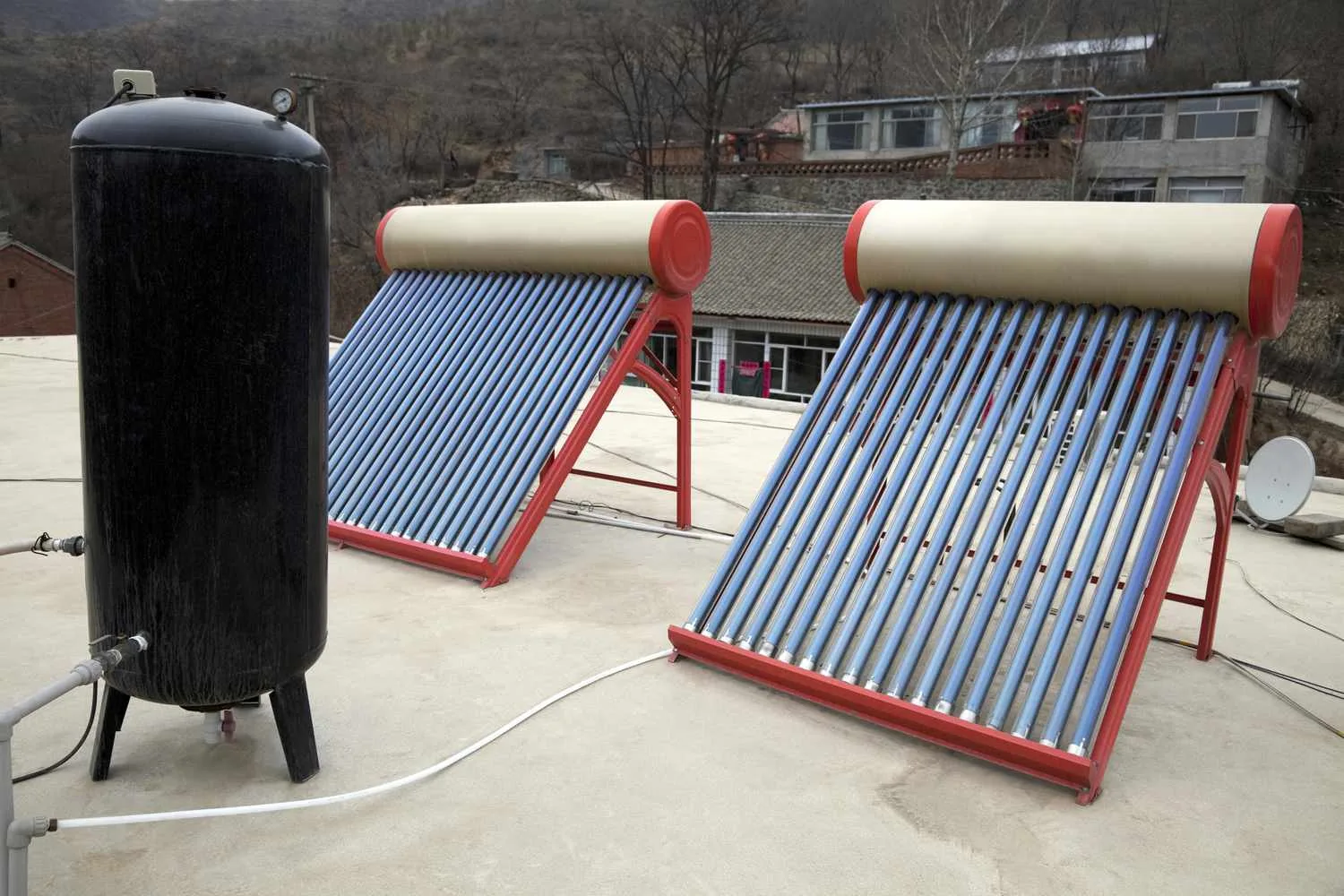
Imagine waking up to hot water every morning without worrying about rising energy bills. A high-efficiency solar water heater for home is no longer a luxury. Recent advancements in solar technology have improved efficiency and reliability. As energy costs continue to rise, homeowners are rethinking how water is heated. Solar systems reduce dependence on electricity and gas. They lower long-term household expenses. They also support sustainability by using clean, renewable solar energy.
Today, we will explore why high-efficiency solar water heater for home is the smarter choice for homes. We will explains how efficiency affects performance, heat retention, and energy savings. You will also learn the benefits homeowners can gain from modern solar water heating systems.
Why High-Efficiency Solar Water Heating Is the Smarter Choice for Homes?

Not all solar water heaters perform the same. The real difference is efficiency. It shows how well a system captures sunlight converts it into heat and keeps that heat for later use. High-efficiency solar water heaters are designed to deliver better performance with minimal energy loss. They are ideal for modern homes.
For homeowners efficiency means:
- Faster water heating
- Longer heat retention
- Reliable hot water in mornings and evenings
- Less reliance on backup heating systems
Every component of a high-efficiency system from solar collectors to insulation and storage tanks is carefully designed to work together. This ensures maximum benefit from available sunlight even when the weather is variable.
Learn More: An Ultimate Buying Guide: How to Choose the Solar Water Heater Panel?
Understanding High-Efficiency Solar Water Heater For Home
A high-efficiency solar water heater is a residential solar thermal system. It uses sunlight as the main energy source to heat water for home use. Unlike electric or gas water heaters that rely on purchased energy, solar systems use renewable energy to meet daily hot water needs.
A typical system includes
- Roof mounted solar collectors to absorb sunlight
- An insulated hot water storage tank
- A heat transfer and circulation mechanism
- Safety and control components for stable operation
What makes a system high-efficiency is the quality of its design. Advanced collectors absorb more solar radiation. Superior insulation reduces heat loss. Optimized tank construction keeps water temperatures stable. The result is a system that delivers consistent performance comfort and savings.
Learn More: Choosing the Right Solar Hot Water Tank System For Your Home
How a Solar Water Heating System Works?

A high-efficiency solar water heater for home delivers hot water using a clean and efficient process. The system can be visualized in five main stages:
- Stage 1: Sunlight Collection: Solar collectors on the roof capture sunlight throughout the day.
- Stage 2: Heat Conversion: The collected solar energy is converted into usable heat.
- Stage 3: Heat Transfer: The heat moves into the water through a circulation system designed for efficiency.
- Stage 4: Storage: Hot water is stored in an insulated tank to reduce heat loss.
- Stage 5: Supply: Water is delivered to taps and appliances whenever needed.
This layout makes the system easy to understand. Minimal moving parts reduce failure points. The result is consistent hot water and long-term reliability for homes.
Benefits of High-Efficiency Solar Water Heater For Home
High-efficiency systems offer several advantages for homeowners.
- Lower Energy Bills: They reduce electricity or gas usage by using free solar energy.
- Reliable Hot Water: Consistent heat is available in mornings evenings and overnight.
- Environmentally Friendly: Solar energy reduces carbon emissions and reliance on fossil fuels.
- Long-Term Savings: Efficient design and durable materials mean lower maintenance and longer system life.
- Energy Independence: Homes rely less on utility networks, which adds security during outages or peak demand.
Key Features of High-Efficiency Solar Water Heater For Home
A high-efficiency solar water heater for home is made up of several important components. Each part plays a specific role in capturing sunlight transferring heat and delivering consistent hot water. Understanding these features helps homeowners choose systems that perform reliably and save energy.
1: High-Performance Solar Collectors
The collector is the heart of any solar water heater. Modern collectors are designed to capture maximum solar energy throughout the day. Optimized absorber surfaces and efficient heat transfer structures allow the system to perform well even during moderate sunlight conditions.
2: Advanced Thermal Insulation
Heat retention is important for residential comfort. High-density insulation materials reduce heat loss. This ensures hot water remains available during early mornings evenings and overnight periods.
3: Optimized Hot Water Storage Tank
The storage tank maintains stable water temperature while supporting daily household usage. Proper tank sizing and internal design help provide a consistent water supply without wasting energy.
4: Durable and Corrosion Resistant Construction
Residential systems must last for many years. Corrosion-resistant materials protect against environmental exposure and varying water quality. This reduces maintenance needs and extends system lifespan.
Step-by-Step Guide for Installing a Solar Water Heater For Home
Installing a high-efficiency solar water heater for home is straightforward when done systematically. Following these steps ensures optimal performance and long-term reliability.
- Roof Assessment: Evaluate your roof for sunlight exposure and space availability. Identify the best location for collectors.
- Collector Installation: Mount the solar collectors securely. Ensure proper angle and orientation to capture maximum sunlight.
- Tank and Piping Setup: Install the insulated storage tank. Connect the circulation system from the collectors to the tank.
- Control and Safety Installation: Set up temperature controls valves and safety mechanisms. These ensure stable operation and prevent overheating.
- System Testing: Check the system for leaks and proper water flow. Test heating performance to confirm efficient operation.
Following these steps helps the system perform efficiently. Proper installation reduces energy loss and guarantees reliable hot water year-round.
Learn More: Why Choose Stainless Steel Water Tanks for Your Home?
Why Choose Riwatt Solar Co., Ltd?
Homeowners choose Riwatt Solar Co., Ltd because we focus on real-world performance and long-term value. We help homeowners adopt solar energy with clarity and confidence.
- Residential-focused solar water heating solutions
- High-efficiency system design
- Durable materials and proven reliability
- Professional support from selection to installation
- Commitment to customer satisfaction
Final Thoughts
High-efficiency solar water heater for home is a practical and sustainable solution for modern households. It provides reliable hot water lowers energy costs and reduces environmental impact. With proper installation and quality components it delivers long-term comfort and consistent savings.
Most Asked Questions
Q1: How does a high-efficiency solar water heater work?
Answer: It captures sunlight through roof-mounted collectors. The energy is converted into heat and stored in an insulated tank. Hot water is then supplied to taps whenever needed.
Q2: What are the main components of a solar water heating system?
Answer: A typical system has solar collectors, an insulated storage tank, a circulation system, and control and safety devices. Each part ensures reliable heating and energy efficiency.
Q3: Can solar water heaters work on cloudy or cold days?
Answer: Yes. Modern high-efficiency systems retain heat in insulated tanks and use advanced collectors to perform well even in moderate sunlight.
Q4: How much can I save on energy bills?
Answer: Savings depend on household size local climate and energy usage. High-efficiency solar water heaters significantly reduce electricity or gas consumption over time.
Q5: How long does a solar water heating system last?
Answer: With proper installation and maintenance, a high-efficiency system can last many years. Durable and corrosion-resistant materials help extend its lifespan.
Leave A Comment
Your email address will not be published.