
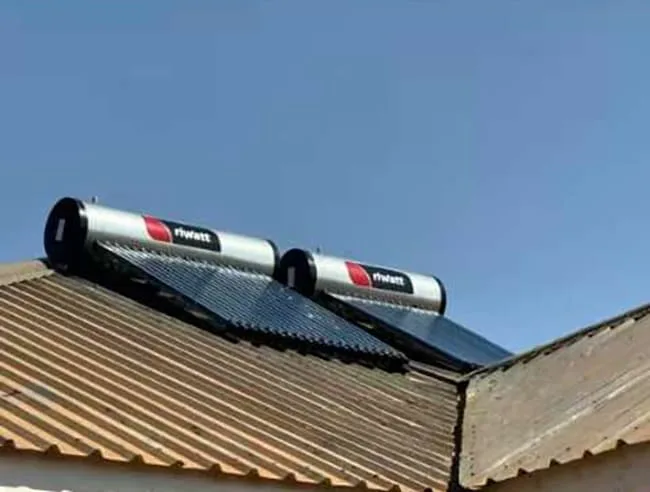
Solar water heating systems are rapidly increasing in adoption among homeowners and businesses worldwide. These systems harness free and abundant solar energy to generate hot water for daily use, cutting energy bills significantly and reducing dependence on traditional fossil fuel-based heating sources. Unlike conventional electric or gas-fired heaters, solar hot water systems leverage renewable energy to deliver long-term operational cost savings and sustainability benefits.
This page explains how solar water heating actually works, where it delivers the most value, and what buyers should evaluate before investing.
How Solar Water Heating Works?

At the core of any solar water heating system are solar collectors. These devices that absorb sunlight and convert it into heat for water. The collected heat is then transferred into a storage tank, where the heated water is held until it’s needed.
Generally, there are two main flow types:
Active System Vs Passive System
Active systems: It uses electric pumps to circulate fluid. On the other hand, the passive systems rely on natural convection (e.g., thermosiphon) to move heated fluid without powered circulation.
A basic solar thermal system includes:
- Solar collectors mounted on rooftops or suitable ground areas.
- Heat transfer fluid (often water or a water–glycol mix to prevent freezing).
- A storage tank where hot water is held until use.
- Controllers and pumps in active systems to regulate heat transfer.
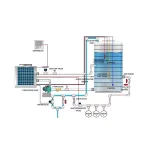
In an active setup, a controller monitors the temperature of both the collectors and the water tank. When the fluid in the collectors is hotter than the water in the storage tank, the controller activates the circulation pump, moving hot fluid through a heat exchanger to warm the water.
Types of Solar Collectors
Solar water heating systems use different collector types to capture sunlight efficiently, suitable for both homes and commercial buildings.
| Collector Type | Key Benefit | Best For | Efficiency |
| Flat Plate | Durable, low-cost, simple | Residential homes, mild climates | Moderate |
| Evacuated Tube | High heat retention, works in cold | Commercial buildings, cold or variable climates | High |
Why Homes and Businesses Are Switching to Solar Hot Water?
Rather than repeating benefits in separate headings, the value is grouped by impact category:
Financial Impact
- 60–90% reduction in water-heating energy costs
- Lower dependency on grid electricity or gas
- Predictable long-term operating expenses
- Reduced wear on backup heaters
Environmental Impact
- Significant CO₂ emissions reduction
- Supports sustainability and ESG goals
- Renewable thermal energy with no fuel combustion
Operational Impact
- Reliable hot water supply
- Scalable system design
- Long service life (20+ years)
- Minimal maintenance requirements
Key Differences: Residential vs Commercial Use
This distinction helps buyers quickly understand system expectations.
| Criteria | Residential Systems | Commercial Systems |
| Daily Demand | Low to moderate | High and continuous |
| Tank Size | 150–300 liters typical | Custom large-volume storage |
| Control Complexity | Simple | Advanced controllers |
| ROI Timeline | 3–6 years | Often faster due to volume |
| System Design | Standardized | Fully engineered |
Key Benefits for Homes and Businesses
Solar water heating systems significantly reduce energy consumption associated with water heating, which is one of the largest energy expenses in both homes and commercial facilities. By using free solar energy, users can achieve long-term cost savings while lowering carbon emissions.
In commercial environments such as hotels, hospitals, and factories, solar water heating improves operational efficiency and enhances sustainability credentials without compromising reliability.
Solar Water Heating System Selection & Installation Considerations
Assessing Your Site Conditions
Selecting the right solar hot water system begins with a thorough assessment of your site. Key factors include:
- Solar Exposure: Optimal system performance requires roof or ground space with strong sun exposure throughout the day with minimal shading. Orientation and tilt of collectors influence energy capture.
- Hot Water Demand: System capacity should reflect anticipated usage. Larger households or commercial facilities with high hot water demand require larger collector areas and storage volumes.
- Climate Considerations: For colder or variable climates, evacuated tube collectors often outperform flat plate systems due to better insulation and reduced heat loss.
Sizing Your System
Correct system sizing balances collector area, storage capacity, and anticipated hot water usage. Undersized systems may fall short of demand, while oversized systems can incur unnecessary costs. Consulting with a solar energy specialist ensures sizing aligns with lifestyle or business requirements.
Pressurized vs. Non-Pressurized Systems
Pressurized Systems maintain higher water pressure suitable for modern plumbing fixtures and multiple outlets. These systems offer robust performance, consistent flow, and compatibility with existing plumbing infrastructure.
Non-Pressurized Systems are simpler and often more cost-effective. They rely on gravity and thermosiphon circulation and can be a strong choice in regions with abundant sunlight and less demand for high pressure.
Installation Process
Professional installation is essential for safety, performance and warranty compliance. The installation process typically includes:
- Mounting solar collectors at the correct tilt and orientation for maximum sun exposure.
- Installing a storage tank in a location that minimizes heat loss and integrates with existing piping.
- Connecting the collectors and tank with insulated pipework and circulation systems.
- Configuring controllers and pumps for active systems, ensuring temperature sensors and safety controls are calibrated.
System Integration
Solar water heaters are designed to work alongside existing heating systems. Common integration approaches include:
- Pre-heating: Solar-heated water enters the main system, reducing the load on backup heaters.
- Hybrid Configurations: Some setups integrate solar with heat pumps or conventional boilers to ensure reliable hot water even during low solar periods.
Maintenance Practices
Solar water heating systems are generally low-maintenance, yet regular care maximises performance and lifespan:
- Annual Inspections: Check for leaks, insulation integrity, actuator function, and fluid quality.
- Controller Diagnostics: Ensure pump and controller operations respond accurately to temperature differentials.
- Fluid Replacement: In closed-loop systems, the heat transfer fluid may need periodic replacement to maintain freeze protection and heat transfer efficiency.
Why Choose Riwatt Solar Co.,Ltd.?
When you choose Riwatt Solar Co.,Ltd., you benefit from our commitment to quality, efficiency, and customer satisfaction. Our goal is to provide the best solar water heating solutions tailored to your requirements. Here’s what sets us apart:
- Personalized Consultation: We carefully assess your hot water needs and provide expert guidance to recommend the most suitable solar water heating system for your property.
- High-Quality Products: Our systems are manufactured with premium, durable materials, ensuring long-lasting performance and consistent reliability.
- Professional Installation: Our certified technicians handle installation efficiently, safely, and with minimal disruption to your property.
- Ongoing Support and Maintenance: Riwatt provides continuous post-installation support, including routine maintenance and troubleshooting, keeping your system operating at peak efficiency.
Ready to Upgrade to Solar Water Heating?
Discover the benefits of Riwatt advanced solar water heating systems today. Our team is ready to help you choose the perfect system tailored to your specific needs, ensuring you enjoy efficient, reliable, and sustainable hot water for your property. Whether you’re looking for a solution for your home or business, Riwatt combines expertise, high-quality products, and professional support to deliver an optimal system.
Final Thoughts
A solar water heating system is not about chasing trends. It is about reducing energy risk, controlling long-term costs, and building resilient infrastructure. For homes, it ensures daily comfort with lower utility bills. For businesses, it delivers measurable operational savings and sustainability credibility.
When properly designed and installed, solar water heating becomes one of the most dependable renewable energy investments available today.
Get in Touch
Are you ready to transform your hot water experience with a Riwatt solar water heating system? Contact us today to learn more about our solutions, discuss your requirements, or book a consultation.
Experience the comfort, efficiency, and sustainability of our state-of-the-art solar water heating systems, and enjoy hot water all year round with eco-friendly, cost-effective solutions from Riwatt.
Visit our office or contact us online to get started on your solar water heating journey today.

Leave A Comment
Your email address will not be published.