
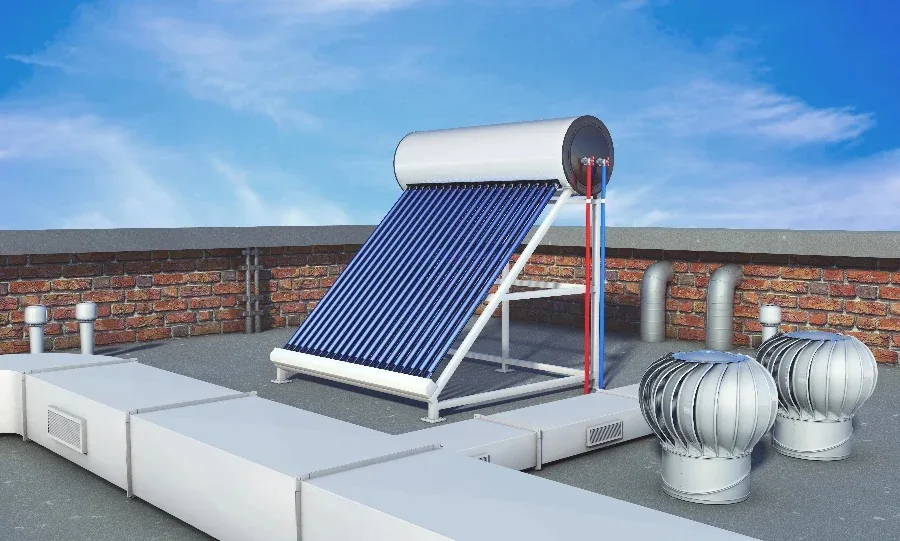
In today’s world, solar energy plays an important role globally. Homeowners prefer efficient systems for long-term savings and sustainability. Solar hot water tanks represent smart planning and modern energy solutions worldwide. A reliable solar hot water system improves comfort and lifestyle quality. It reduces electricity and gas usage through efficient solar energy utilization. Homes receive consistent hot water for daily household needs. Many commercial buildings also depend on solar systems for operations.
In this article, our team will explore the solar hot water system with its types, properties and buyer’s specific recommendation. This guide helps buyers choose efficient solutions confidently. Many buyers, distributors, and wholesalers can gain benefit with the help of our blog.
Solar Hot Water Tank: What is it?

A solar hot water tank stores heated water using sunlight. It works with solar collectors to supply consistent hot water. The tank reduces electricity and gas consumption in residential homes. Insulated materials maintain water temperature for extended periods efficiently inside. Solar hot water tanks support energy savings and friendly lifestyles.
Types of Solar Hot Water Tank
Before buying a solar hot water, we must know about its major types of solar hot water system.
1: Direct System Tank
Direct system solar hot water tanks heat household water directly using solar collectors. These systems work efficiently in warm climates where freezing temperatures are rare, providing simple design, low maintenance, and reliable hot water supply.
2: Indirect System Tank
Indirect system tanks use a heat-transfer fluid to absorb solar energy and transfer heat to water. They are ideal for colder regions because the fluid prevents freezing and protects the system during low temperatures.
3: Pressurized Solar Tank
Pressurized solar hot water systems operate with high water pressure, making them suitable for multi-story homes and modern buildings. They provide strong water flow, consistent temperature, and compatibility with standard plumbing systems.
Read More: Top 7 Solar Controller Manufacturers in China
4: Non-Pressurized Solar Tank
Non-pressurized solar hot water system rely on gravity instead of pressure to deliver hot water. These tanks are commonly used in small homes and rural areas due to simple installation and lower system cost.
5: Single Coil Tank
Single coil solar hot water system contain one heat exchanger that transfers heat from the solar collector to water. They are suitable for basic systems where solar energy is the primary heat source.
6: Dual Coil Tank
Dual coil solar hot water tanks feature two heat exchangers, allowing connection with solar collectors and backup heating sources. This design ensures reliable hot water availability during low sunlight or increased demand.
Properties of Solar Hot Water Tank
Solar hot water systems are designed to deliver efficient, reliable, and sustainable hot water solutions. They are widely used in residential, commercial, and industrial settings where long-term performance and energy savings are essential.
1: Energy Efficiency
Solar hot water tanks efficiently store thermal energy collected from sunlight. This property helps reduce dependence on conventional energy sources and improves overall system performance, especially in regions with strong solar exposure.
Key points:
- High solar-to-thermal energy conversion
- Reduced electricity or gas consumption
- Optimized performance in sunny climates
2: Environmental Sustainability
Solar hot water tanks provide clean energy without producing harmful emissions. They rely on the sun, a renewable energy source, which reduces dependence on fossil fuels. By using solar energy, these systems help lower carbon footprints and support global sustainability efforts. Their operation contributes to greener living and helps achieve long-term environmental goals.
3: Cost-Effectiveness
After installation, solar hot water systems operate at very low cost. Over time, users experience noticeable financial benefits due to reduced energy expenses and long-term system reliability.
| Cost Benefit Area | Impact |
| Monthly Bills | Significantly reduced energy costs |
| Operating Costs | Minimal fuel or electricity usage |
| Investment Return | Strong savings over system lifespan |
4: Durability and Long Lifespan
Solar hot water tanks are manufactured using robust and weather-resistant materials. They are designed to withstand harsh environmental conditions while maintaining consistent performance over many years.
Main features:
- Corrosion-resistant tank construction
- Long service life with minimal maintenance
- Suitable for residential and commercial applications
5: Thermal Reliability
Solar hot water tanks deliver consistent hot water throughout the day. Advanced insulation and heat storage ensure water remains at a stable temperature even during cloudy days or at night. This reliability makes them suitable for homes and businesses, providing dependable performance across different seasons and weather conditions.
Read More: Traditional Vs Solar Hot Water Heater: Which One is Best For Your Home?
Step-by-Step Buying Guide: How to Choose the Right Solar Water Tank?
Choosing the right solar water tank is essential for energy efficiency and reliable hot water supply. With many options available, buyers must consider factors like climate, household needs, tank type, and budget carefully before making a decision.
Step 1: Assess Your Hot Water Needs
Determine the amount of hot water your home consumes daily. Consider family size and peak usage times carefully. Accurate assessment ensures the selected tank meets your household requirements efficiently.
Step 2: Evaluate Climate Conditions
Check your region’s sunlight availability throughout the year. Solar efficiency depends on sunny days and seasonal variations. Choose a system that performs well even during cloudy or cold periods.
Step 3: Select Tank Type
Decide between direct, indirect, pressurized, or non-pressurized tanks. Each type suits specific climates and household requirements. Consider pros, cons, and compatibility with your existing plumbing system carefully.
Step 4: Determine Tank Size
Choose a tank size that matches daily water usage and household needs. Oversized tanks may waste energy, while undersized ones may not meet hot water demand. Accurate sizing ensures efficiency and reliability.
Step 5: Check Material and Durability
Select tanks made with corrosion-resistant and long-lasting materials. Durable construction ensures years of maintenance-free operation. Look for reliable brands that provide warranties and proven performance under varying conditions.
Step 6: Review Energy Efficiency Ratings
Compare solar-to-heat conversion rates and insulation quality of different tanks. High efficiency reduces electricity or gas consumption significantly. Energy-efficient systems provide better long-term savings and environmental benefits for your home.
Step 7: Consider Budget and After-Sales Support
Evaluate installation, maintenance, and operational costs before purchasing. Factor in warranty, spare parts availability, and customer service support. A good balance between cost, quality, and service ensures satisfaction and peace of mind.
Final Thoughts
Choosing the right solar hot water tank system is essential for home efficiency and comfort. A well-selected system provides consistent hot water, reduces energy bills, and supports a sustainable lifestyle for your family and future generations.
Riwatt Solar Co., Ltd offers reliable and high-quality solar water solutions. Our durable and energy-efficient systems are designed for various household needs. Take the step today to invest in solar, save energy, and enjoy long-term benefits.
Most Asked Questions
Q1: What size solar water tank do I need for my home?
Answer: The tank size depends on family size, daily hot water usage, and peak demand. Proper sizing ensures efficiency and prevents shortages or energy waste.
Q2: What is the difference between direct and indirect solar water tanks?
Answer: Direct tanks heat water directly using sunlight, best for warm climates. Indirect tanks use a heat-transfer fluid, suitable for colder regions to prevent freezing.
Q3: How long does a solar hot water tank last?
Answer: Most high-quality tanks last 15–25 years with proper maintenance. Durable materials and corrosion-resistant construction increase lifespan and reliability.
Q4: Will a solar water tank work during cloudy or rainy days?
Answer: Yes, tanks with insulated storage and backup heating maintain hot water availability during low sunlight periods. Efficiency may vary depending on system type.
Q5: How much can I save by using a solar hot water system?
Answer: Savings depend on energy consumption and tank efficiency. Typically, households save significantly on electricity or gas bills, achieving long-term cost-effectiveness.


Leave A Comment
Your email address will not be published.