
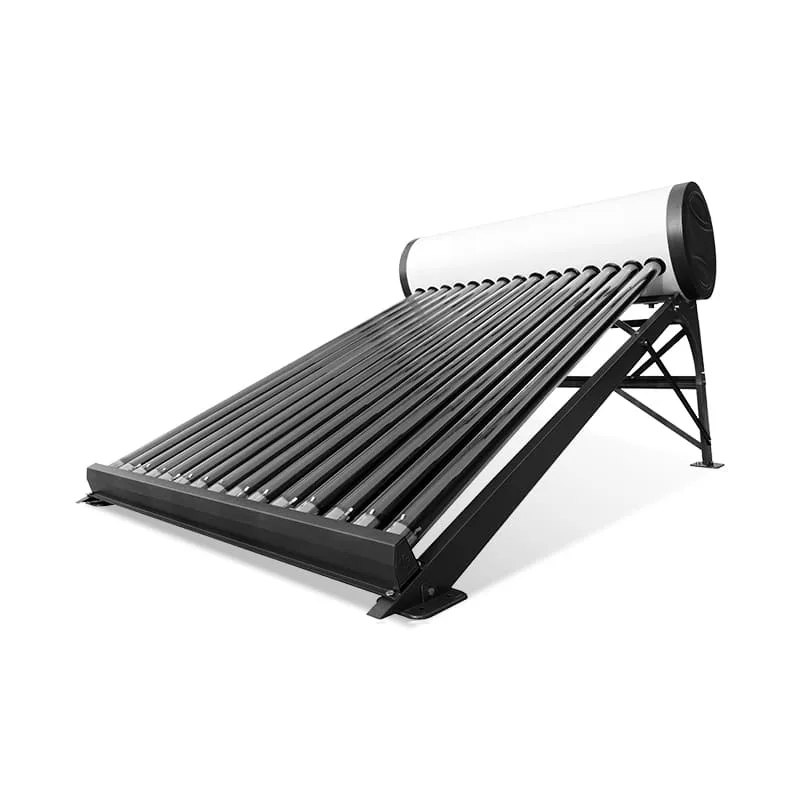
In this blog, we will dive into the importance of cleaning solar water heaters and the essential steps to ensure their long-term performance. We’ll explore the working principles of solar water heaters, the necessary preparations before cleaning, the precautions during cleaning, and how to perform proper system checks after cleaning. We will also address the critical issue of calcium carbonate buildup and its impact on the system, water quality, and health.
1. Why Understanding the Principles of Solar Water Heaters is Crucial
Understanding how your solar water heater works is the first step in properly maintaining and cleaning it. This is particularly true for non-pressurized (gravity feed) systems, where the water flows naturally through the system, using gravity, and directly enters the water tank.
The Role of Calcium Carbonate and Other Impurities
Water that enters a non-pressurized solar water heater often contains impurities like calcium carbonate. When the water is heated inside the solar collector (vacuum tubes or flat panels), calcium carbonate and other minerals can precipitate and form deposits. These deposits pose multiple risks:
Impact on Heat Transfer:
As calcium carbonate builds up inside the vacuum tubes, it coats the inner walls, significantly reducing the heat transfer efficiency. This results in poor thermal performance and a reduced ability to heat water effectively, affecting both the system’s efficiency and the user experience.
Harmful to Health:
While the buildup of calcium carbonate does not pose an immediate threat to human health, the minerals present in untreated water can lead to water quality issues. Long-term exposure to water high in calcium can lead to conditions like kidney stones or other health issues related to excessive mineral intake.
For these reasons, regular cleaning of your solar water heater panels is essential to maintain both the system’s efficiency and ensure the water remains safe and healthy for use.
2. Preparation Before Cleaning
1. Power and Water Shutdown
Before beginning any cleaning operation, ensure that both the power and water supply are fully shut off to avoid accidents and ensure safety during the process.
2. Remove the Vacuum Tubes
Carefully remove the vacuum tubes to prevent water from entering the foam insulation layer in the water tank, which could compromise its insulating properties.
3. Prepare Cleaning Agents
Use suitable water softening descalers to soften any mineral buildup, ensuring they are safe for use in solar water heaters.
| Before Cleaning, Recommend Prepare Kits Below in Advance | ||
| Softening Agent: | citric acid or a specialized descaler. | |
| Stirring Head or Mixing Rod: | break up large water scale particles | |
| Vacuum Tube Removal Tool: | remove vacuum tubes without causing damage to the system. | |
| Drainage Bucket or Tub: | For collecting the softened scale and waste water. | |
| Suction Pump (optional): | To remove larger pieces of scale from the system if required. | |
| Seal Replacement Kit: | For replacing worn seals, especially around the vacuum tubes. | |
3. Key Considerations During the Cleaning Process
1. Avoid Contact with Foam Insulation Layer
The foam layer in the water tank is made of Polyurethane Foaming Agent and is highly sensitive to water. If it comes into contact with water, it loses its ability to retain heat. Therefore, it is crucial to avoid any water from reaching the foam layer during cleaning.

2. Soften and Remove Water Scale
Apply a descaling agent to soften the scale buildup. Allow it to sit for 2-3 hours to break down the calcium carbonate deposits, and then flush the softened debris through the system.
3. Stir and Break Down Large Scale Particles
If the deposits are particularly stubborn, use a stirring head to break them down into smaller pieces to be flushed out more easily.
4. Thoroughly Clean the Water Tank
Ensure that the water tank is thoroughly cleaned, leaving no residue or buildup behind that could affect the system’s performance.
4. Post-Cleaning System Checks
1. Check for Leaks
After cleaning, thoroughly inspect the system for any signs of leaks. Ensure that all components, including the vacuum tubes, are properly secured.
2. Inspect the Insulation Layer
Verify that the insulation layer inside the water tank remains intact. Any damage to this layer can cause significant loss of heat retention, reducing the system’s overall effectiveness.
5. Further Maintenance Recommendations
To ensure the continued efficiency of your solar water heater, regular cleaning and maintenance are essential. At the end of each usage cycle, consider performing a full inspection, which includes cleaning any remaining scale from the water tank and replacing any worn seals.
1. Install a Pre-Filter
Installing a pre-filter at the system’s intake can help reduce the number of impurities that enter the tank, further reducing scale formation and extending the lifespan of the system.
2. Replace Seals
Check and replace seals regularly, as they can degrade over time, leading to leaks and loss of efficiency.
6. Conclusion: Maximizing Economic Benefits
This blog aims to provide you with the knowledge and steps to properly clean and maintain your solar water heater panels. Regular cleaning not only enhances system efficiency but also helps in maximizing economic benefits by extending the system’s life and reducing long-term maintenance costs.
Final Reminder: During cleaning, always ensure that no water comes into contact with the foam layer inside the water tank. Once cleaning is complete, verify that the sealing and insulation are intact. This will help your solar water heater serve your household efficiently for many years.

FAQs for How to Clean Solar Water Heater Panels
1: Which Water Softening Liquid is Recommended for Cleaning Solar Water Heaters?
For effective descaling and cleaning, it is important to use water softening agents that are specifically designed for use in solar water heaters. Citric acid and ascorbic acid (vitamin C) are popular and effective choices because they are mild, environmentally friendly, and safe for the solar system’s components. These acids work by breaking down calcium carbonate deposits without damaging the system’s materials.
Additionally, phosphoric acid-based descalers are also commonly used. However, make sure the product is labeled safe for solar water heaters to avoid any damage to sensitive parts like the vacuum tubes or insulation layer.
2: What Tools Will I Need to Clean My Solar Water Heater Panels?
Cleaning a solar water heater requires specific tools to ensure the job is done properly. Here are the essential tools you’ll need:
-
Softening Agent:
-
A descaling liquid or powder, such as citric acid or a specialized descaler.
-
Stirring Head or Mixing Rod:
-
To help break up large water scale particles and ensure thorough mixing of the softening agent.
-
Vacuum Tube Removal Tool:
-
A gentle tool to safely remove vacuum tubes without causing damage to the system.
-
Drainage Bucket or Tub:
-
For collecting the softened scale and waste water.
-
Suction Pump (optional):
-
To remove larger pieces of scale from the system if required.
-
Seal Replacement Kit:
-
For replacing worn seals, especially around the vacuum tubes.
3: How Often Should I Clean My Solar Water Heater Panels?
To maintain the efficiency of your solar water heater, regular cleaning is crucial. Depending on your water quality and usage, it’s recommended to clean the system at least once a year. However, if you live in an area with hard water or heavy mineral deposits, more frequent cleaning (every 6 months) may be necessary to prevent excessive buildup of calcium carbonate.
4: How Can I Prevent Calcium Buildup in My Solar Water Heater?
To reduce the chances of calcium buildup in your solar water heater, consider the following preventative measures:
-
Install a Pre-Filter:
-
A water filter at the intake can help reduce the amount of minerals and debris entering the system.
-
Use Softened Water:
-
If possible, use softened or filtered water to reduce the minerals that contribute to scale formation.
-
Regular Inspections:
-
Perform periodic checks to detect any early signs of scale buildup so that they can be addressed before they become a major issue.
Leave A Comment
Your email address will not be published.